The Dishwasher Is Innocent: What Couples Are Really Fighting About
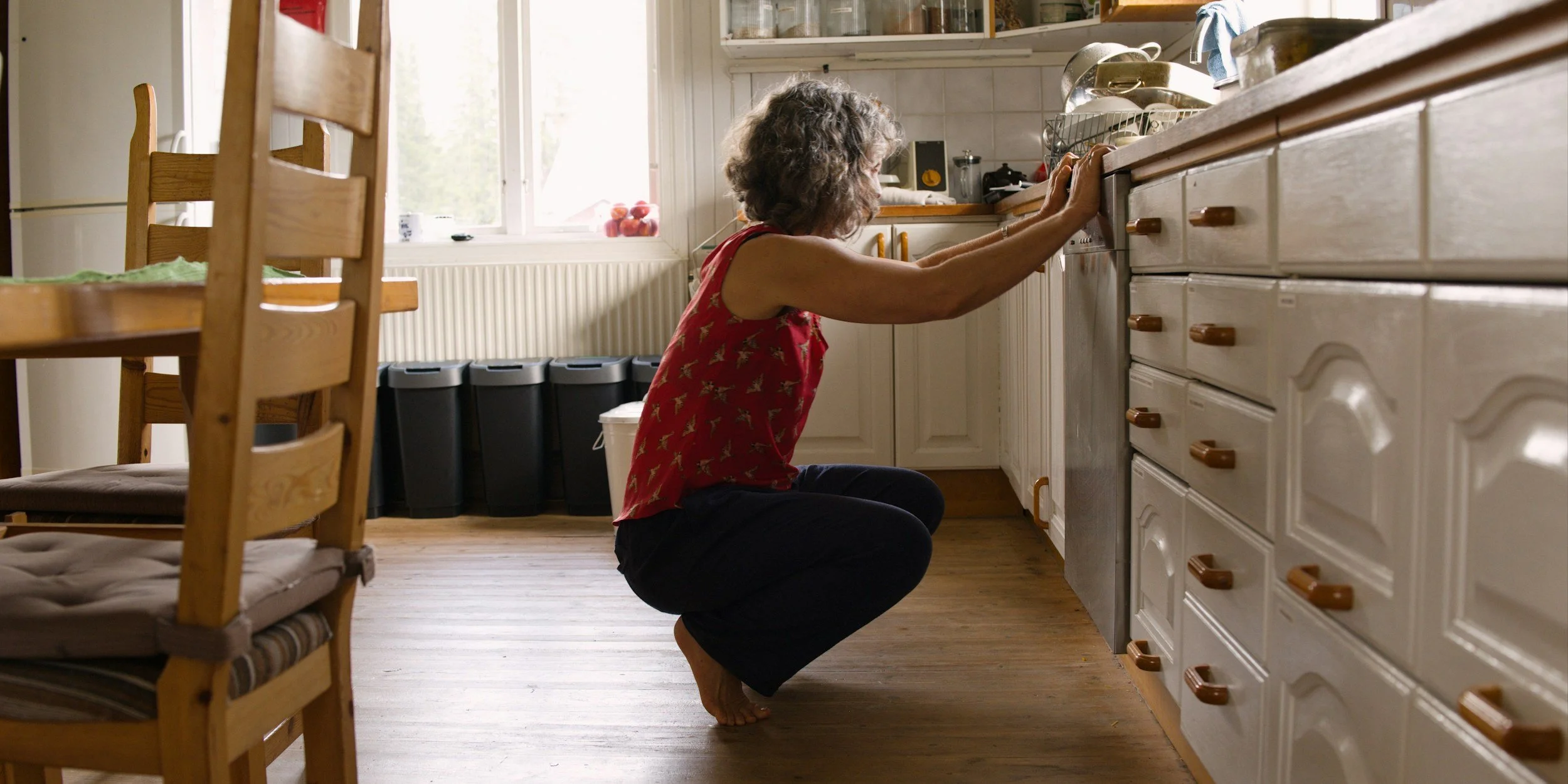
Most couples don’t come to therapy because of a dishwasher. At least, not really.
They come in talking about who loaded it, who unloaded it, who forgot to run it, or whose responsibility it was to call someone when it stopped working.
The conversation sounds like it’s about dishes.
The emotions tell a different story.
What starts as a disagreement about chores can quickly turn into criticism, defensiveness, silence, withdrawal, or the feeling that your partner is no longer emotionally there for you. By the time many couples arrive in my office, they’re exhausted from having the same argument over and over again.
And here’s the thing: the dishwasher is rarely the problem.
Plot Twist: It’s Not About the Dishes
Arguments often carry a deeper emotional meaning than the issue being discussed.
A dishwasher can symbolize:
· Partnership
· Respect
· Reliability
· Being seen
· Being cared for
People are often arguing about what an object represents rather than the object itself.
When one partner repeatedly asks for help around the house, they may not simply be asking for clean dishes. They may be asking:
Can I count on you?
Am I carrying this relationship alone?
Do my needs matter to you?
Likewise, when another partner becomes defensive, withdrawn, or overwhelmed by those requests, they may not be reacting to the dishes at all. They may be responding to feelings of criticism, inadequacy, failure, or shame.The dishwasher just happened to be standing nearby when all of this showed up.
Welcome to the Same Fight You’ve Had 47 Times

Most couples are not having dozens of different arguments.
They’re having the same emotional argument dressed up in different clothes.
In every relationship, people bring experiences from their family of origin, cultural background, and previous relationships. If those experiences remain unexamined, they often show up in unexpected ways.
Imagine a couple who frequently argue about chores.
One partner struggles with follow-through because structure and consistency were not emphasized in their childhood home. The other partner becomes highly distressed when responsibilities are neglected because growing up, chaos often led to conflict, yelling, or emotional unpredictability.
Neither person is intentionally trying to hurt the other.
Yet both are reacting to much more than the dishes in the sink.
Their bodies recognize something familiar.
Their nervous systems remember.
And suddenly a conversation about chores feels like a conversation about safety, trust, or being cared for.
The Dishwasher Didn’t Hurt Your Feelings.
Attachment theory helps explain why seemingly small disagreements can feel surprisingly intense.
Psychiatrist John Bowlby believed that humans are wired to seek closeness and connection with important others when they feel distressed. When caregivers are emotionally available and responsive, children develop a sense of security that often carries into adult relationships.
When those experiences are inconsistent, absent, or emotionally unavailable, people may develop insecure attachment patterns that show up later in their relationships.
As adults, these patterns can look like:
· Criticism that is really a bid for connection
· Withdrawal that is really protection from overwhelm
· Anger that masks hurt
· Indifference that conceals fear of rejection
· Pursuit that reflects anxiety about disconnection
Sometimes people criticize their partner when what they truly want is reassurance.
Sometimes they withdraw because getting close feels risky.
And sometimes both partners end up trapped in a cycle where neither person’s deeper needs are being heard.
Your Nervous System Has Entered the Chat
There has been a lot of discussion about the nervous system lately, but what does that actually mean?
Your nervous system is constantly scanning your environment for signs of safety or danger. It stores experiences and learns from them.
When current situations resemble past experiences, your nervous system can react automatically before you’ve had time to think things through.
This is why an unfinished chore can sometimes trigger feelings that seem much bigger than the situation itself.
For some people, dishes left in the sink stir up feelings of being unsupported or alone.
For others, raised voices bring back memories of conflict that felt frightening or overwhelming.
Not having a request acknowledged might lead someone to wonder whether their partner can really be counted on when it matters.
Turning away, shutting down, or giving the silent treatment can feel less like a disagreement and more like disconnection.
Underneath many conflicts are questions that sound more like this:
· Am I alone?
· Do I matter?
· Are you with me?
· Can I depend on you?
· Am I safe bringing my needs here?
These are not dishwasher questions.
These are attachment questions.
What Schnarch Would Say
Psychologist David Schnarch offered another important perspective.
While attachment theory helps us understand our need for connection, Schnarch emphasized differentiation: our ability to stay connected to ourselves while remaining connected to another person.
In conflict, differentiation asks:
Can I stay grounded when my partner is upset?
Can I tolerate discomfort without becoming defensive?
Can I express my needs without demanding that my partner immediately fix my feelings?
Can I remain emotionally present when the conversation feels difficult?
Many of us were never taught how to do this.
Instead, we learned to withdraw, blame, appease, criticize, or shut down when emotions ran high.
But growth in relationships often involves learning to stay present with ourselves and our partners, even when the conversation feels uncomfortable.
The goal is not to eliminate conflict.
The goal is to stay connected through it.
Before You Slam the Dishwasher Door

When emotions are running high, one of the most helpful skills comes from Dialectical Behavior Therapy (DBT): the STOP skill.
S — Stop
Pause. Don’t say the next thing that pops into your head. Don’t send the text. Don’t continue arguing simply because you’re already in the argument.
T — Take a step back
Take a breath. Walk into another room if needed. Give yourself enough space to settle your nervous system.
O — Observe
Notice what is happening inside of you.
What emotions are present?
What story are you telling yourself?
What does this situation seem to mean?
Are you feeling hurt, dismissed, unsupported, unseen, overwhelmed, or alone?
P — Proceed mindfully
Respond from your values rather than from the surge of emotion.
Ask yourself:
What would help us feel more connected right now?
What am I really trying to communicate?
What need is underneath my reaction?
The goal is not to avoid the conversation.
The goal is to create enough space to have a different conversation.
Justice for the Dishwasher
The next time you find yourself arguing about dishes, laundry, text messages, schedules, or household responsibilities, try becoming curious about what else may be happening beneath the surface.
Ask yourself:
· What am I making this mean?
· Why does this feel so important right now?
· What old experience might be influencing my reaction?
· What need is trying to be expressed?
· What am I hoping my partner will understand?
When we focus only on the content of an argument, we often stay stuck.
When we begin exploring the deeper emotional meaning underneath it, something shifts.
The conversation becomes less about proving who is right and more about understanding what each person is longing for.
And that is where real connection begins.
The dishwasher, after all, was innocent the whole time.
